
I’m a vilomah
And I want everyone to know
When we find out someone is a widow, we understand something about them – we might not know any other details, but we know they’ve been through a profound loss. The same holds true of course for a widower, and an orphan, too.
But what about those of us who have lost a child?
Most people agree that losing a child is the worst thing that can happen in someone’s life. It is too terrible to even name?
It turns out there is a term for someone who’s lost a child. Just not in the English language.
The word “vilomah” literally means “against the natural order,” and it’s the Sanskrit term for a bereaved parent. Like “orphan,” vilomah is a gender-neutral term, referring to either a mother or father who has lost a child.
I was relieved to discover the word vilomah, and I wish more people were familiar with it.
Why? For one thing, a name offers validation. As bereaved parents, we’ve not only been through something that, as the word suggests, goes against the natural order of life, but something that changes us at the cellular level. We exist in a world that looks different to us than it does to other people – a world where we viscerally know that everything can change in an instant. A world where we understand the greatest joy in life carries within it the potential for the greatest sorrow. A world where no matter how happy we are at any given moment, we’re also decimated. Living in that world is deserving of a name.
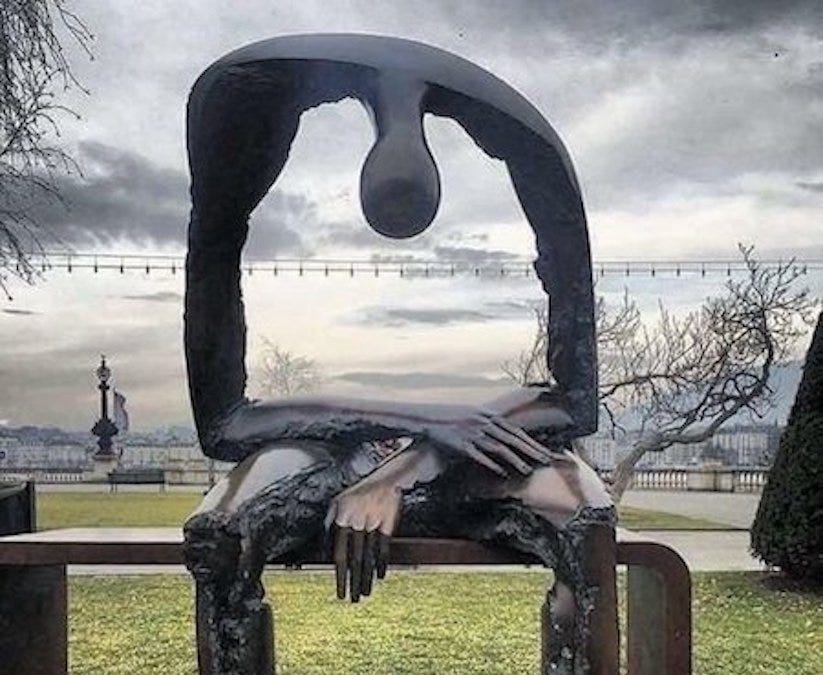
And beyond validation, a term for having lost a child has the potential to ease some of the awkwardness and unnecessary pain we feel among other people.
Think about it. You meet someone new at work or at a cocktail party or in your neighborhood. Chances are, at some point during your very first conversation, that person asks if you have any children. After you say, “Yes,” the next question inevitably is, “How many?” Now if you are me, the mother of three children, one of whom died, you say, “three.” Which is followed by the next inevitable question: “How old are they?”
During this entire conversation, you’re doing a calculation in your head about how much detail you feel like getting into, how much of a record-scratch moment it’s going to be when you tell them you have a dead child.
Wouldn’t it be easier if you could say, “Well, I’m a vilomah,” right from the start? You’re sharing the same information in both cases, but the latter feels softer, easier, for both you and the person you’re talking to.
There’s also the community that a shared identity offers. All loss is isolating, each with its own texture, and losing a child is lonely in its own horrible ways. When you meet someone else who’s gone through it, however different the particular circumstances of their loss, there’s an instant feeling of connection. There’s so much you don’t have to explain. So much you don’t need to apologize for. You can laugh without the fear of being judged for not grieving “properly.” You can cry, even if it’s 27 years later, without being judged for grieving “too long.” One vilomah to another, you see each other.
And if having lost a child is one of the most defining things that will happen in our lives, it just makes sense that there’s a name for it. After all, we have names for the other things that define us. I’m a wife, mother, adult orphan, friend, sister, cousin. I’m a writer, reader, Bostonian. And yes, I’m a vilomah, too.
Personally, I also like the fact that it sounds kind of exotic. We could just go on calling ourselves “bereaved parents,” but that lacks the power of “vilomah.” “Bereaved parent” feels much too generic not only for what we lived through when our child died, but for the very thing that continues to make us who we are afterwards.
So I herewith propose that we start incorporating the term “vilomah” into conversation. It’s a word that carries the appropriate weight, honors the reality of what we’ve endured, and helps us recognize one another in the wild.
Now if only there were a word for having lost a sibling.
Thank you for being here. I’m so glad you’re part of this community.
With grit and grace,
Jessie
A Vilomah. i will not forget the meaning of that word, and what it means to those who have suffered the unbearable pain of losing a child. xx
I love this, and you’re absolutely right that we need this word. I will remember it and use it! Sending you love. Xoxo