
Why I'm doing macrame
and holding impromptu song sessions
Each year, around the third week of June, I start to act kind of weird. My friends are planning their summer vacations, thinking about beach days, or leaving for Cape rentals. I’m checking out macrame materials at the art-supply store and trying to pull together capture-the-flag games on my lawn. I’ve even been known to attempt to draft my kids into an impromptu song session after dinner.
The bottom line is this: I want to go back to overnight camp.
I was lucky enough to spend the entire summer at camp from the time I was 8 until I was 17. And of course there were things I hated about it: I got pink eye every year. I pretended I had my period for the entire 8 weeks to avoid swimming in the lake. I wasn’t a fan of the job wheel – especially when it was my turn to scrub the toilets.
But mostly what I hated was going home at the end of the summer.
A few days ago I got the chance to go back to my camp deep in the hills of New Hampshire. I reunited with my camp sisters, belted out every word to the songs I hadn’t heard in decades, and breathed in the unmistakable smell of the pine needles that brings me right back to the camp grove, no matter where I am when I smell it.
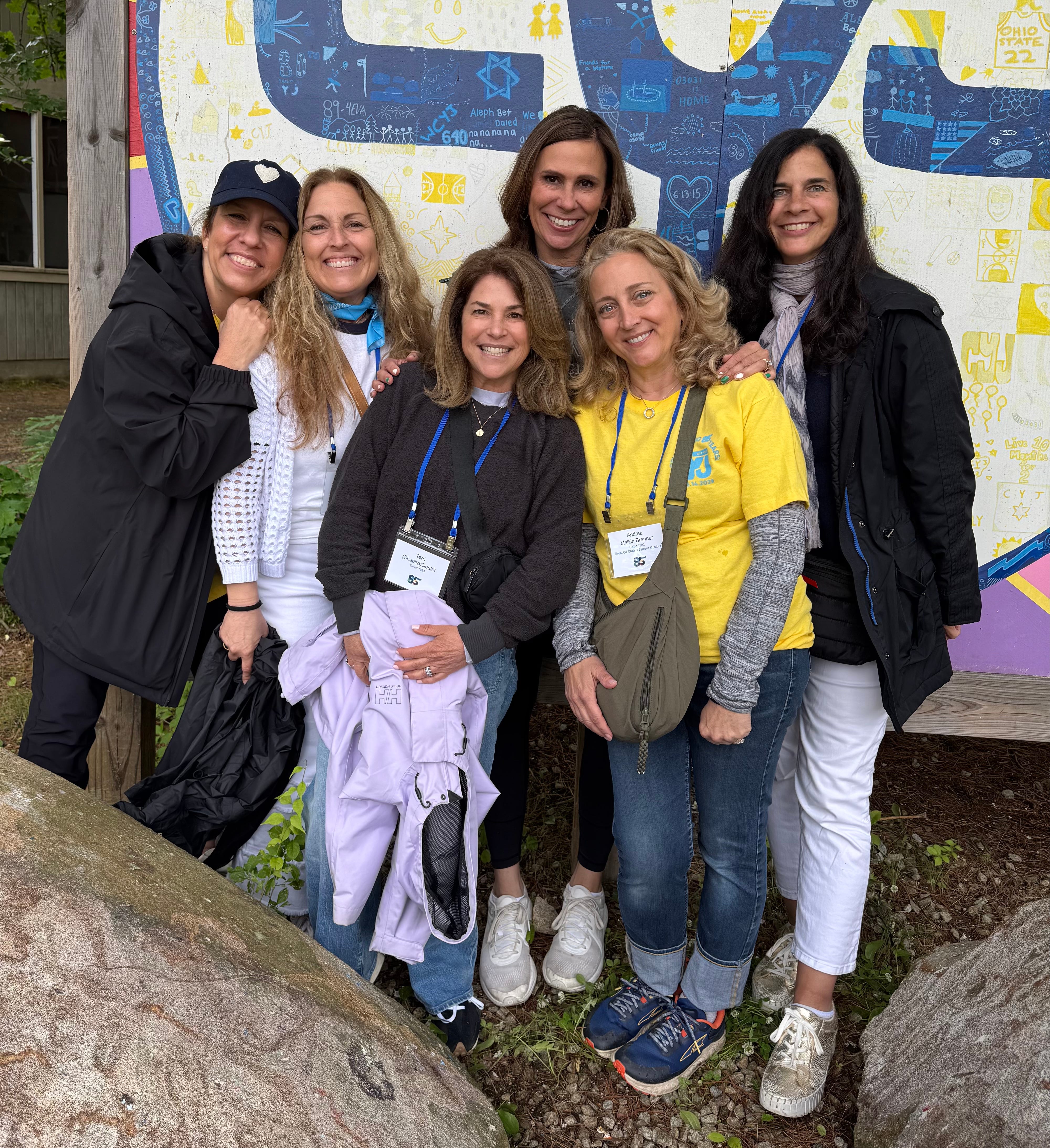
My longing is about more than nostalgia. I don’t feel that way about high school or college or any of the other places I’ve spent extended periods of time over the years.
So what is it that makes camp the place that curls itself around our core, and not only becomes part of who we are, but helps us discover who we’re meant to be?
Is it the independence? The camaraderie? The break from our everyday routines? Yes, of course. But it’s something else, too. Something almost mystical.
It came to me during a casual conversation about a boy I dated forever ago.
“I went out with her brother,” I said, when I was telling my husband about a woman we bumped into one day.
“I’ll never forget it. We were at the tennis courts after evening activity. He said, ‘I like you a lot and I’d like to get to know you better. Will you go out with me?’ After that we were boyfriend and girlfriend.”
“How long did you go out?” my husband asked.
“Well at camp, every day is like a month, so I guess we dated for a few years.”
And there it was. That time compression was why camp was so amazing. At camp every day is like a month. A vortex of sorts, where the rules of time don’t apply.
The friendships develop at warp speed. It’s one thing to have friends, even best friends, who you spend six hours with at school, go to each other’s house after school, have sleepovers with on the weekend. It’s another thing entirely to live together for a month or two at a time. To wake up, clean up, line up and dress up together.
At first you’re inseparable because you literally have no privacy and are expected to do every single thing as a unit all day long. But soon you’re inseparable because you don’t want it any other way.
A tiff that could take a week to resolve at home is worked through by rest hour. A romance that would take months to germinate in the real world blossoms at the very first social.
Without your parents there to guide you, you begin to guide each other. Sure, there are counselors in the mix, but even though you don’t see it then, they’re just kids themselves.
You surprise yourself with the risks you’re willing to take. Waterskiing or trying out for the play or yes, asking a girl out at the tennis courts. You feel safe doing all this because you’re in it together. Because if you fall or don’t get the part or get rejected, your friends are there, literally and figuratively, to pick you up.
You feel like you’re on your own because you’re away from your family and the roles that define you back at home. Yet you’re on your own right beside your bunkmates who are trying on different versions of themselves, too. You experiment together.
It’s why you sob when it’s time to say goodbye to the people who shared your summer. They feel more like sisters than friends. And it’s why your mother can’t stop saying how much taller you seem when you return home. You might have grown an inch, but you also carry yourself differently.
The time compression at camp is what makes it so special, what makes everything more. You grow more, laugh more and learn more than you do anyplace else. And really, what’s not to love about that?
(part of this article appeared in Kveller.)
I Don’t Know How You Do It
This week on I Don’t Know How You Do It, I’m joined by Allison Lane—story strategist, truth-teller, and someone whose own life would make most people stop and say, “Wait… how did you survive that?” Today, she helps other people find the words for their own hardest stories with clarity, compassion, and the wisdom that comes from having walked through the fire and come out the other side.
We talk about:
How shame simmers in secrecy—and how to let it go
What resilience actually looks like (hint: it’s not just about being strong)
The stories we whisper—and why they may be our greatest source of power
And so much more…
This episode is raw, rich, funny, and full of wisdom. If you’ve ever wondered whether your story matters — or how to find the courage to share it — listen here.
Thanks for being part of this community. I’ve got some big announcements coming soon, so stay tuned!
With grit and grace,
Jessie